

Bonnaroo 2026: The Farm Finds Its Way Back
- Staff
- Jun 15
- 3 min read
Bonnaroo 2026 arrived carrying more emotional weight than most festivals ever have to. Twelve months earlier, record-setting rainfall had forced organizers to cancel the 2025 edition after fans had already made the pilgrimage to Manchester, leaving campsites half-built and carefully planned weekends reduced to weather alerts and refund emails. Returning to The Farm this year brought an unmistakable sense of purpose. Fans made the trip back to Manchester because Bonnaroo has never existed solely in a lineup announcement or a promotional campaign. For many, skipping a year because of circumstances beyond anyone's control was disappointing. Walking away for good was never really an option.
The lineup itself reflected that resilience. The Strokes delivered one of the weekend's most anticipated sets, reminding everyone why their catalog still occupies such a permanent place in modern rock's DNA. Julian Casablancas remained an unpredictable frontman, occasionally veering toward loose and ragged territory, but songs like "Reptilia" and "Someday" retain their electricity. Imperfection has long been part of The Strokes' appeal. On The Farm, where polished spectacle has never been the primary currency, the messiness felt strangely appropriate.

Thursday night, Skrillex's long-awaited return became one of the defining performances of the weekend. More than a nostalgia play for millennials who came of age during the first EDM boom, his set showcased an artist who has continued evolving while much of dance music chased trends. Four Tet's appearance on the schedule reinforced Bonnaroo's longstanding commitment to rewarding curiosity. The festival remains one of the few major events where wandering into an unfamiliar tent at one in the morning can still lead to discovering the best set of your weekend.

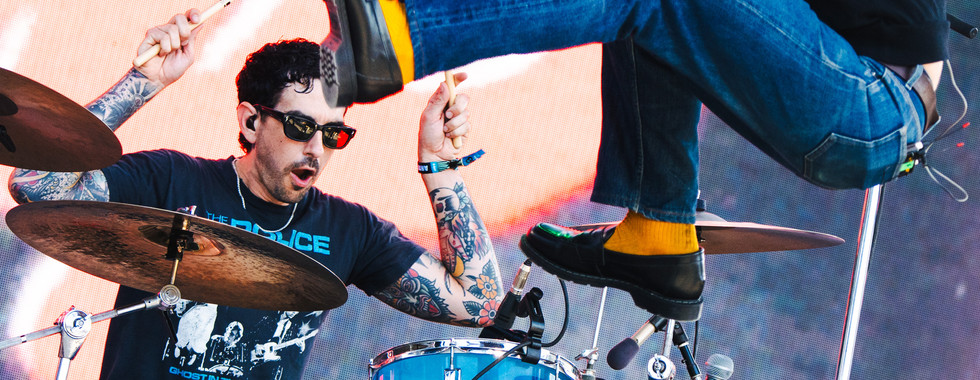
Among the festival's most explosive performances, Turnstile delivered the kind of set that left little doubt about their place in modern punk/hardcore. The Baltimore band transformed the field into a sea of movement, with circle pits opening within seconds and crowd surfers spilling over the barricade throughout the performance. Their blend of urgency, melodic ambition, and unshakable positivity translated effortlessly to Bonnaroo's massive stage.
Noah Kahan's closing performance offered a different kind of catharsis. His songs about isolation, hometown ghosts, and searching for meaning landed differently beneath the clouded Tennessee skies after the uncertainty that surrounded Bonnaroo's future. Across the weekend, artists like Japanese Breakfast, Blood Orange, Goldie Boutilier, Wednesday, Rachel Chinouriri, and Geese benefited from audiences that still approach Bonnaroo with an openness increasingly rare at festivals built around headliner worship. Fans show up early. They stay late. They give emerging acts the same generosity afforded to established names.

That generosity remains Bonnaroo's greatest asset. Live Nation may own the festival now, complete with premium experiences, branded activations, and all the familiar hallmarks of modern festival economics, but ownership has never fully dictated the atmosphere. The attendees have protected the culture through sheer force of will. They exchange sunscreen with strangers. They guide lost campers back to their sites. They hand out homemade trinkets and invite neighboring camps into late-night conversations that stretch until sunrise. That famous Roo spirit risks sounding like marketing copy until you've experienced it firsthand and realize the people in attendance are the ones keeping it alive.


That dynamic has become increasingly important as the festival landscape grows more corporate and consolidated. Bonnaroo's roots were planted in jam band improvisation, communal camping, and the belief that music could facilitate temporary utopia. Twenty-five years later, those ideals inevitably still coexist with VIP platforms and Hulu livestream deals. Yet the soul of the festival continues to reside in the muddy pathways between stages, in spontaneous singalongs, and in the shared understanding that everyone has endured the same heat, exhaustion, and uncertainty to be there together.
Perhaps that was Bonnaroo 2026's most meaningful accomplishment. It acknowledged fragility without completely surrendering to it. After 2025's weather-related cancellation cast doubt over what came next, returning to The Farm became an act of faith for both organizers and fans. The music mattered, as it always does. But the larger story belonged to the thousands of people who returned anyway, determined to prove that Bonnaroo is still more than a business venture, more than a lineup announcement, and more than another simple stop on the summer festival circuit. Against the odds and despite the changing realities of the industry around it, Bonnaroo still felt like Bonnaroo.
View the full photo gallery below:
Photos by Keira Lindgren













Comments